Spring at Penn Center: Learning, Culture, and Connection
This spring, Penn Center continued its role as a living space for education, reflection, and cultural exchange, welcoming a wide range of groups whose work spans arts education, heritage preservation, civic dialogue, and travel-based exploration. Each visit added another layer to the ongoing story of the campus as a place where history is not only remembered, but actively engaged.
Each One Teach One Institute of Academics and Performing Arts
Based in Southwest Atlanta, this African-centered microschool serves K–8 students and high school learners through a curriculum grounded in academics and performing arts. Their visit to Penn Center offered students a direct connection to Gullah Geechee history and the broader Lowcountry cultural landscape, reinforcing their educational focus on identity, creativity, and cultural awareness.
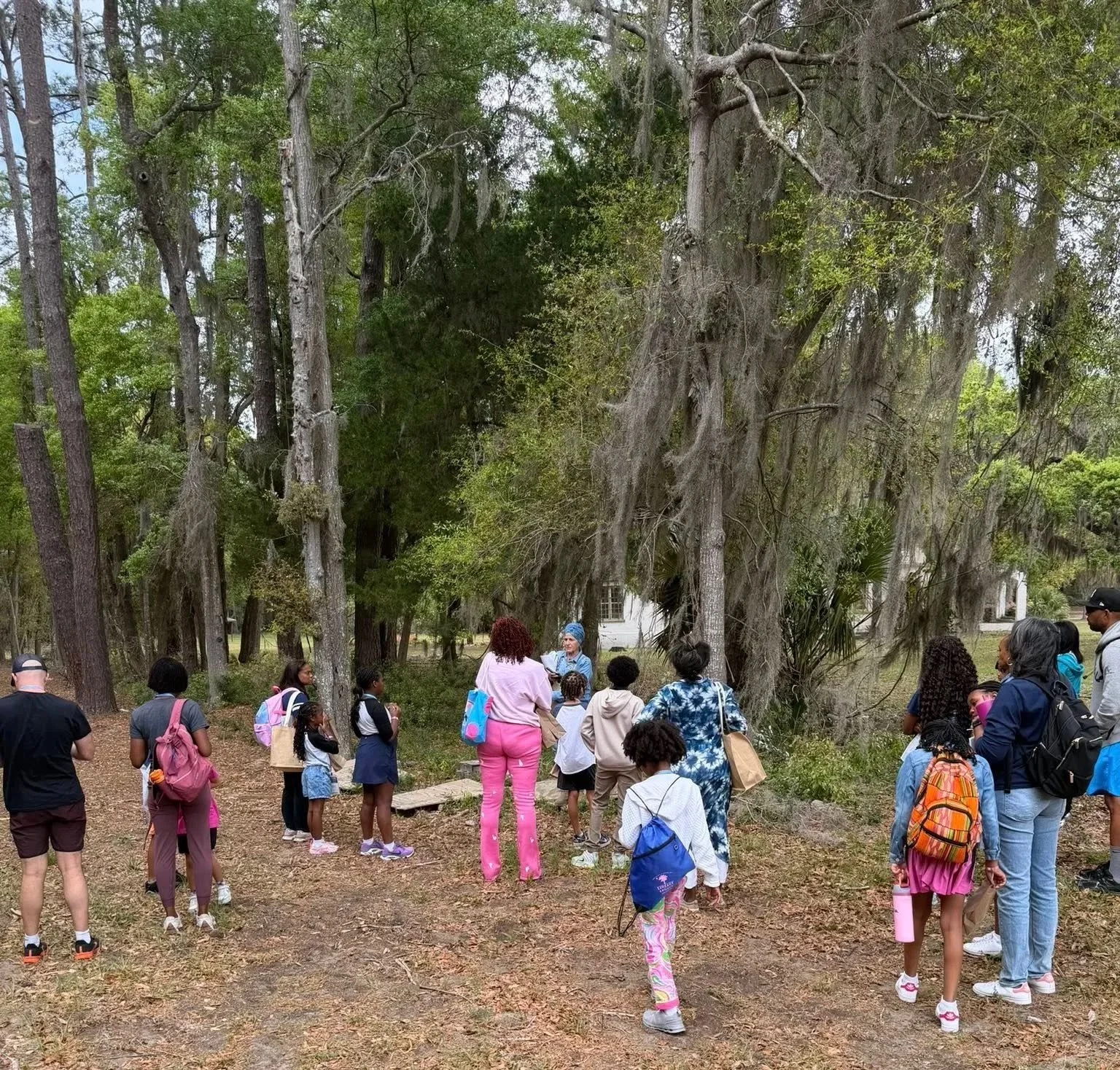
Members of Jack and Jill of America visited the campus as part of their ongoing commitment to leadership development and cultural education for African American youth. Their time at Penn Center reflected the organization’s emphasis on exposing young people to historic sites that deepen understanding of Black history, heritage, and civic responsibility.
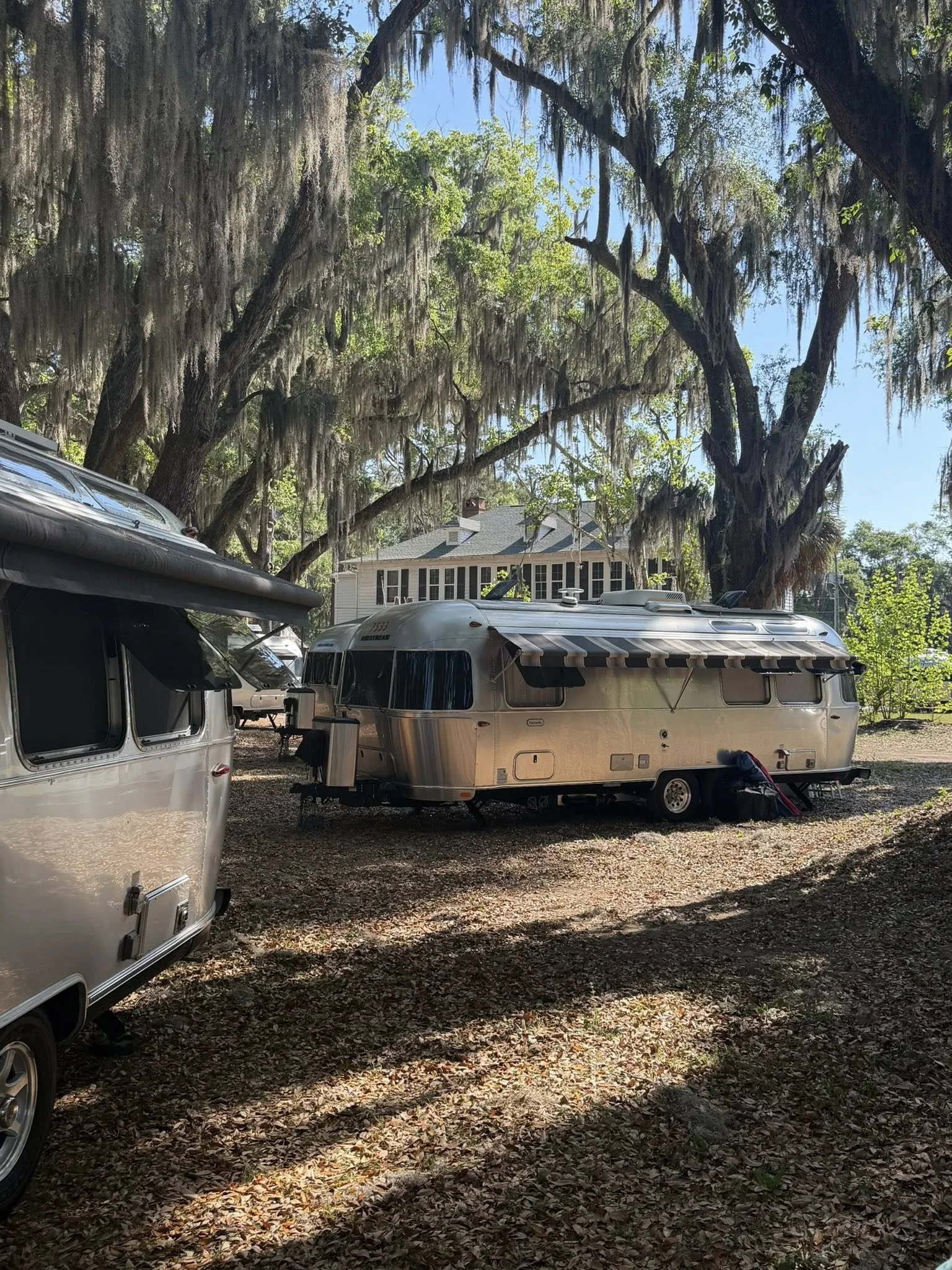
Airstream Travelers
A group of Airstream travelers camped on the Penn Center grounds this month, engaging with the campus in a more immersive, place-based way. Their visit highlights Penn Center’s unique role as both a historic landmark and a welcoming space for travelers seeking meaningful connection to the Lowcountry’s cultural and natural environment.
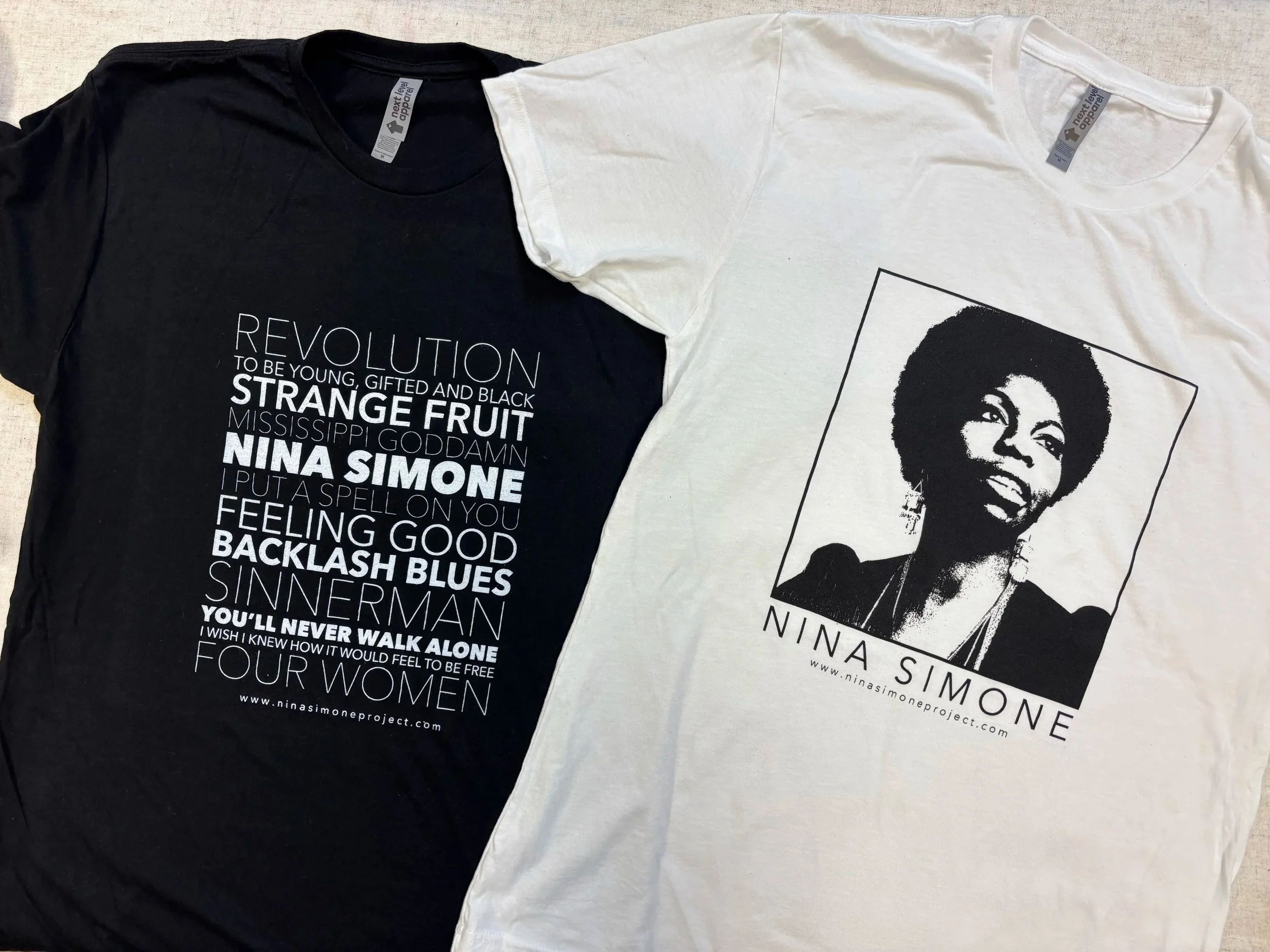
Soul City, North Carolina + The Nina Simone Project
This visiting group connected two powerful threads of Black cultural history: the legacy of Soul City, North Carolina, and the artistic and political impact of Nina Simone. Their presence on campus reflected an exploration of place, music, and memory, and how cultural visionaries shape collective history across generations.
De Gullah Shipp
De Gullah Shipp’s visit centered Gullah Geechee language, tradition, and storytelling. Their time at Penn Center continued the long-standing relationship between the campus and Gullah cultural preservation, reinforcing the importance of intergenerational knowledge and community-rooted history.
Muloma (Cultural Collective)
Muloma’s visit brought a creative and cultural lens to the campus experience. As a group engaged in African diaspora storytelling and heritage-based work, their presence contributed to Penn Center’s ongoing role as a gathering space for artists, educators, and cultural practitioners exploring identity and tradition.
White Men for Racial Justice
This group engaged the campus through a lens of dialogue and learning around racial equity and accountability. As an anti-racism affinity group focused on education and reflection among white men, their visit aligns with broader efforts to engage difficult histories and foster meaningful conversations in shared spaces of learning.
Our springtime visitors reflect the continued significance of Penn Center as a place where education, culture, and history intersect. From classrooms and cultural collectives to travelers and dialogue groups, each presence adds to a living archive of engagement on the historic campus.